
Most of us are juggling more than one financial goal at once, each with its own timeframe. There might be a holiday to save for next year, a pension to build for decades from now, and everything in between. Balancing them all can feel tricky, but your short-term goals deserve just as much attention as the long-term ones – they just call for a different approach.
What counts as a short-term goal?
Short-term goals are generally anything you’re aiming for within the next couple of years – a holiday, a car, a wedding, or simply a cushion of savings set aside for the unexpected. Next to saving for retirement or clearing a mortgage, they can feel like the less important item on your financial to-do list. In practice, they matter just as much to your day-to-day wellbeing, and they deserve a proper place in your financial plan rather than whatever’s left over once everything else is accounted for.
Why cash is usually the right home for short-term money
When you’re saving towards something you’ll need in the next year or two, cash is generally the sensible option rather than investing. Markets can move up and down over short periods, and if your goal happens to fall during a downturn, you could end up with less than you were counting on. Over a longer time horizon there’s usually room to ride out that volatility – over a year or two, there often isn’t.
It’s true that if the interest you earn is lower than inflation, your money’s spending power will fall in real terms. Over a short period, though, that erosion is far less significant than it would be if the same money needed to last you several decades.
Your emergency fund belongs in the same category. Keeping some money aside for the unexpected – a leaking roof, a boiler giving up, or being unable to work for a while – can bring real peace of mind, and because you’d need to get to it quickly if something happened, cash is generally the right place for it too.
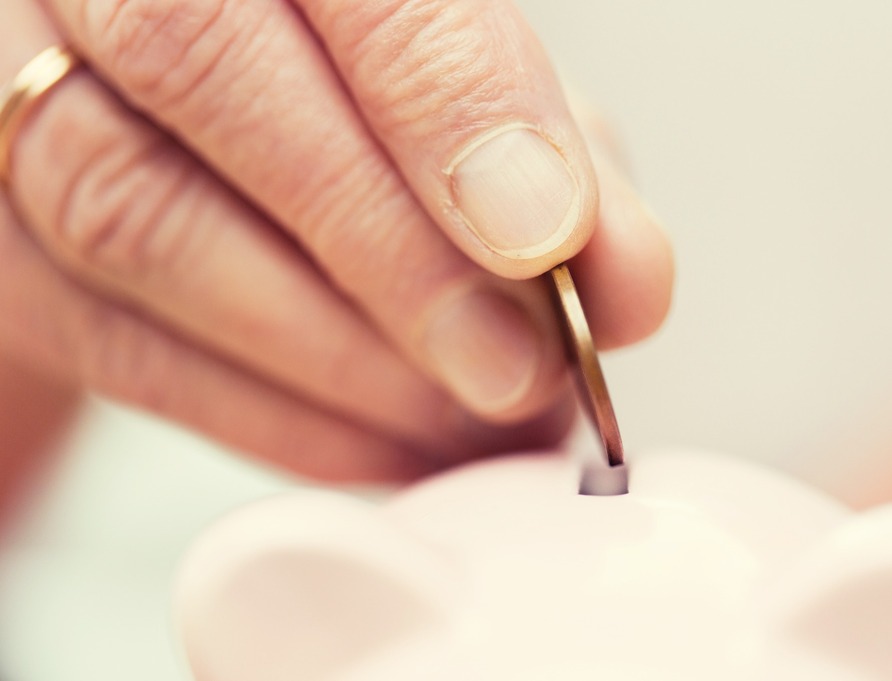
Three ways to put your short-term cash to better use than a piggy bank
Even when the money isn’t going anywhere for long, there are still ways to make it work a little harder while it waits.
A standard savings account
The obvious starting point. Interest rates vary a surprising amount between providers, and some accounts offer a better introductory rate or a one-off bonus for opening one – so it’s worth shopping around rather than defaulting to whichever bank you already use for everyday banking. Setting up an automatic transfer each payday, so saving happens before you get the chance to spend the money elsewhere, can make a real difference to how consistently you save.
A Cash ISA
A Cash ISA works in a similar way to a standard savings account, but with one key advantage: the interest you earn isn’t subject to Income Tax.
Outside an ISA, how much interest you can earn before tax is due depends on your Personal Savings Allowance (PSA), which in 2026/27 is £1,000 for basic-rate taxpayers, £500 for higher-rate taxpayers, and nil for additional-rate taxpayers. It’s easier to exceed than you might think – at an interest rate of 4.5%, a higher-rate taxpayer would only need £11,111 in savings before some of that interest became taxable.
A Cash ISA sidesteps this altogether. In 2026/27 you can pay up to £20,000 across your ISA allowance in total, and you’re free to put the whole amount into a Cash ISA if that suits you. That’s due to change from 6 April 2027, when the overall ISA allowance for under-65s stays at £20,000, but the amount you can put specifically into a Cash ISA will be capped at £12,000 – so if you’re likely to want to shelter a larger cash sum from tax, this tax year and next are worth planning around.
Premium Bonds
Premium Bonds, issued by NS&I and backed by the Treasury, work differently again: instead of paying interest, each £1 bond is entered into a monthly prize draw, with tax-free prizes ranging from £25 to £1 million. Following NS&I’s latest prize fund rate rise, the odds as of September 2026 stand at around 1 in 21,000 per bond for any given month.
It’s a genuinely different kind of saving – there’s a chance of a large win, but no guarantee of any return at all, so if luck doesn’t fall your way, inflation will still be eroding the real value of your money. Cashing out can also take several days to reach your bank account, which makes Premium Bonds a poor fit for money you might need at a moment’s notice, such as an emergency fund. The maximum you can hold is £50,000 per person.
Getting the balance right
There’s no single right answer for how to split your short-term savings across these options – it depends on how soon you’ll need the money, whether you’re likely to pay tax on the interest, and how much you value certainty over the chance of a windfall. If you’d like to talk through your own goals and how to make the most of the money you’re setting aside for them, we’re always happy to have a no-obligation conversation.
This is the first in a short series looking at how to balance different financial goals – next time, we’ll look at managing money for goals somewhere between one and five years away. Get in touch to find out how we can help you bring your short, medium and long-term goals together into one plan.
This article is for general information only and does not constitute advice. All information is correct at the time of writing and is subject to change in the future. Please do not act based on anything you might read in this article.
The value of your investments (and any income from them) can go down as well as up and you may not get back the full amount you invested.